Care Homes — Kitchen Extract Cleaning in Swansea
TR19 commercial kitchen extract cleaning quotes for care homes across Swansea and the Gower.
Care home kitchen extract cleaning is the TR19-standard clean of the canopy, ductwork and fan in a care or nursing home kitchen, usually every six months, with a certificate the home can show Care Inspectorate Wales, its insurer and its fire risk assessor. The certificate is issued by the contractor who carries out the clean; Swansea Canopy Cleaning arranges the quote.
Page reviewed 3 October 2026 by Swansea Canopy Cleaning, a quote-arranging service. The cleaning is carried out by our partner contractor.
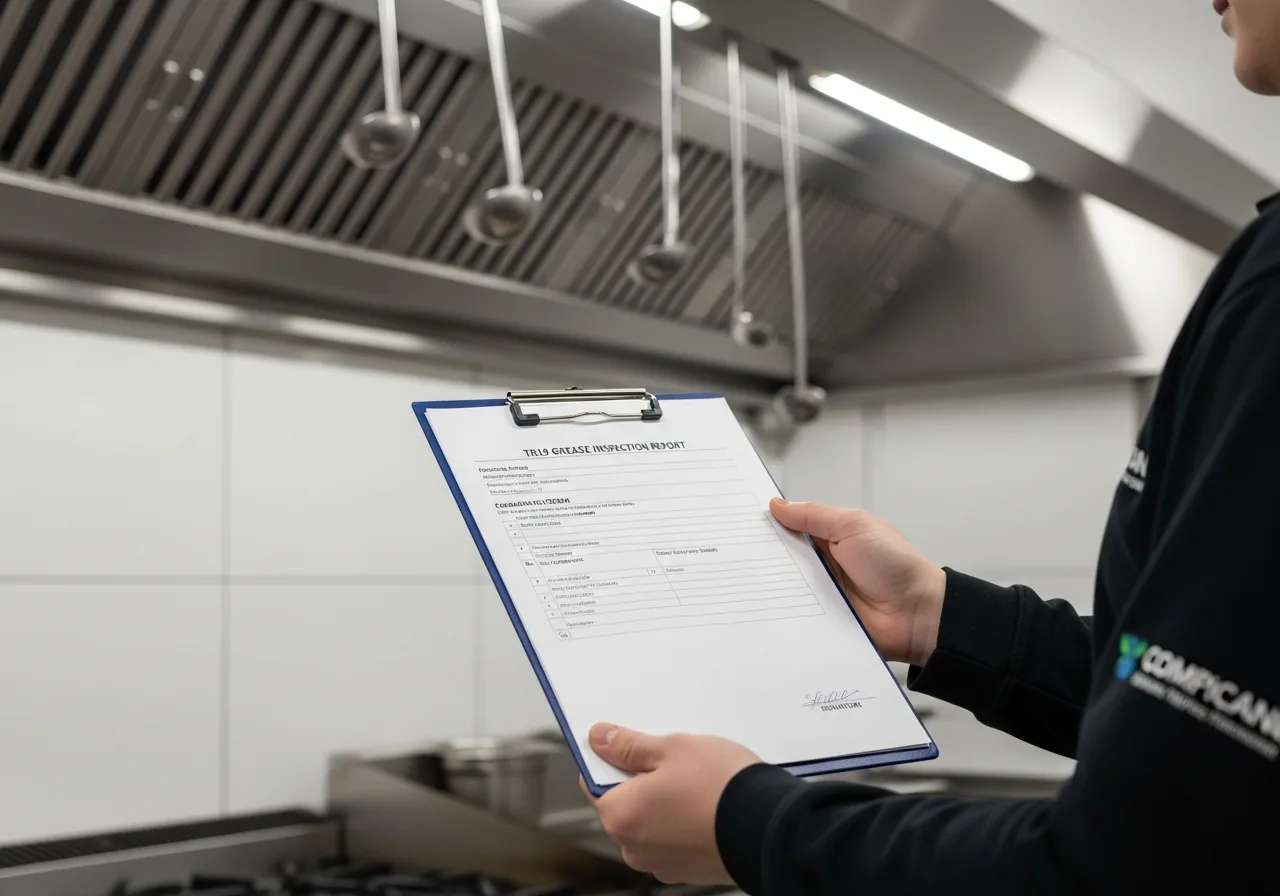
A care home carries a duty an ordinary restaurant never has to think about: many of the people under its roof cannot get out quickly on their own. That single fact changes how a care home kitchen should be run — and it puts the extract system, where grease fires start and spread, near the top of the fire-safety agenda.
We arrange TR19-focused commercial kitchen extract cleaning quotes for care homes right across Swansea, the Gower, Neath Port Talbot, the Swansea Valley and the Llanelli and Ammanford area — nursing homes, residential care homes, dementia and specialist units, and catering kitchens inside healthcare settings. Every clean is documented to support your fire-risk assessment and your Care Inspectorate Wales records.
Why a care home kitchen is different
A care home kitchen runs every day of the year, three meals a day, often producing softened, fortified and texture-modified diets that involve sustained cooking. That steady output loads the canopy, ductwork and extract fan just as surely as a busy restaurant — but the consequences of a fire are far more serious, because residents with frailty, limited mobility or dementia cannot self-evacuate. Fire safety here is a resident-safety issue first and a compliance issue second.
Care Inspectorate Wales and your fire-safety records
Care homes in Wales are registered with and inspected by Care Inspectorate Wales under the Regulation and Inspection of Social Care (Wales) Act 2016. A home's responsible individual and manager must be able to show the premises are safe and that fire risk is being actively managed. Grease accumulation in the extract system is a recognised fire risk, so a current, documented clean belongs in the same file as your fire-risk assessment, fire-alarm servicing and evacuation plan. When we arrange a clean you receive the certificate, photographs and grease-depth readings that evidence it.
The Fire Safety Order applies to your kitchen
The Regulatory Reform (Fire Safety) Order 2005 places a legal duty on the responsible person to assess and manage fire risk in the premises — and a grease-laden extract system is exactly the kind of hazard it is concerned with. Cleaning to the recognised TR19 standard is one of the clearest ways to show that duty is being met. See also our accreditations and standards page.
What a TR19-focused clean covers
Grease doesn't just sit on the visible hood. A proper clean follows the whole extract pathway — the canopy and baffle filters, the full ductwork run to the external discharge, and the extraction fan. Grease-depth readings are taken before and after, access points are photographed, and a certificate is issued. A canopy-only wipe-down leaves the most dangerous grease — inside the ductwork — untouched.
How often should a care home kitchen be cleaned?
Most care home kitchens fall into the "moderate use" band under TR19, which points to a full extract clean every six months. Homes with larger kitchens, heavy frying or continuous production for specialist diets move into heavier use and benefit from more frequent cleaning. We can advise on the right interval — there is more in our guide to how often a care home kitchen should be cleaned.
Cleaning that works around your residents
A care home can't close for the afternoon. Cleaning is scheduled discreetly around meal service — often between meals, early morning or evening — so there is no disruption to residents and no interruption to catering. That matters most in dementia and specialist units, where unfamiliar activity can unsettle residents; the work is planned to be as quiet and unobtrusive as possible.
Multiple homes, one schedule
Many operators in this area run several homes — across Swansea, Neath Port Talbot and Carmarthenshire it is common for one group to hold three, four or more sites. Where that's the case we can quote the group together and put every kitchen on a single documented schedule, so renewal dates don't drift apart and nothing is missed at inspection. See our guide to managing extract cleaning across a care group.
The documentation you receive
Every clean comes with a post-clean certificate, before-and-after photographs, grease-depth readings and a recommended next-service date. That pack is what your insurer's loss adjuster, your CIW inspector and your fire-risk assessor will ask to see — and having it ready protects both your residents and your registration. The certificate is issued by the contractor who carries out the clean, not by Swansea Canopy Cleaning, which arranges the quote.
Care settings we cover
We arrange kitchen extract cleaning quotes for every kind of care setting across Swansea Bay and South West Wales:
- Nursing homes — registered nursing care, larger production kitchens.
- Residential care homes — personal-care settings and smaller kitchens.
- Dementia & specialist care — EMI and specialist units needing discreet working.
- Hospitals & healthcare — hospices, private clinics and healthcare catering.
Whatever the setting, the standard is the same: a fully documented, TR19-focused clean that helps keep vulnerable people safe and your compliance file complete.
Areas where we arrange this: Sketty · Killay · West Cross · Waunarlwydd · Ystradgynlais · Cimla · Pontyberem · all areas
Related services: Canopy Cleaning · TR19 Extract Cleaning · Duct Cleaning · TR19 Compliance Guide
Guides: Fire risk assessments and extraction
Frequently Asked Questions
Do care home kitchens legally need extract cleaning?
TR19 is guidance rather than law, but the Regulatory Reform (Fire Safety) Order 2005 places a legal duty on the responsible person to manage fire risk — and grease in the extract system is a recognised hazard. Care Inspectorate Wales and your insurer expect to see documented, in-date cleaning as evidence that duty is met.
How does extract cleaning fit with our CIW compliance?
It forms part of your fire-safety evidence. The certificate, photographs and grease readings sit alongside your fire-risk assessment and fire-alarm records, showing CIW that the premises are being kept safe for residents.
How often does a care home kitchen need cleaning?
Most care home kitchens are moderate-use and need a full TR19 extract clean every six months. Larger kitchens, or those doing heavy continuous cooking for specialist diets, may need it quarterly. We advise based on your actual kitchen.
Will cleaning disrupt our residents or mealtimes?
No — work is scheduled discreetly around meal service, often between meals or early and late in the day, and planned to be quiet and unobtrusive. This is handled especially carefully in dementia and specialist units.
We run several homes — can they be done together?
Yes, and it usually works out better. Quoting a group together puts every kitchen on one documented schedule with aligned renewal dates, so nothing drifts or gets missed between inspections.
Who actually carries out the work?
We arrange and manage your enquiry and connect you with a specialist TR19 provider who carries out the clean and issues the certification. You get a single clear quote and a full documentation pack.
Get a Free Swansea Kitchen Extract Cleaning Quote
Send us your kitchen details and we'll arrange a tailored, no-obligation quote — usually the same day.